The War Within sparks a rise in guild alliances—multi-guild networks that collaborate on high-end progression, Mythic+ routes, crafting support, and weekly objectives. These alliances reshape how communities organize, communicate, and push challenging content together.
This article explores how coordinated guild networks redefine teamwork and progression in the modern era.
Guild Alliances Create Stable, Flexible Progression Ecosystems
Rather than functioning as isolated groups, guilds now form interconnected alliances that combine rosters, share resources, and coordinate schedules. This structure reduces burnout, fills roster gaps, and enables groups to overcome attendance challenges that once hindered progression.
The alliance model brings reliability to high-end content.
Shared Raiding Teams Push Multi-Guild Progression
Alliances field mixed rosters for raid progression, allowing guilds to work together toward Mythic boss kills. Coordinated strategies, shared logs, and pooled knowledge deepen collaboration across communities. Even guilds with smaller rosters gain access to consistent, competitive raiding environments.
Raiding becomes a collective effort rather than a single-guild endeavor.
Mythic+ Networks Expand With Dedicated Key Teams
Guild alliances build structured Mythic+ teams that optimize keystone routing, class synergy, and weekly score pushes. Players rotate positions across teams to ensure everyone achieves seasonal milestones. Knowledge-sharing accelerates skill growth, while alliance-wide LFG systems reduce downtime.

Mythic+ evolves into a coordinated, scalable system of multi-guild cooperation.
Weekly Objectives Become Alliance-Wide Projects
From world events to renown milestones to crafting orders, alliance members help each other complete objectives efficiently. Networks form resource pipelines, support Warband progression, and manage community-wide task lists. This coordination fosters mutual investment and long-term loyalty.
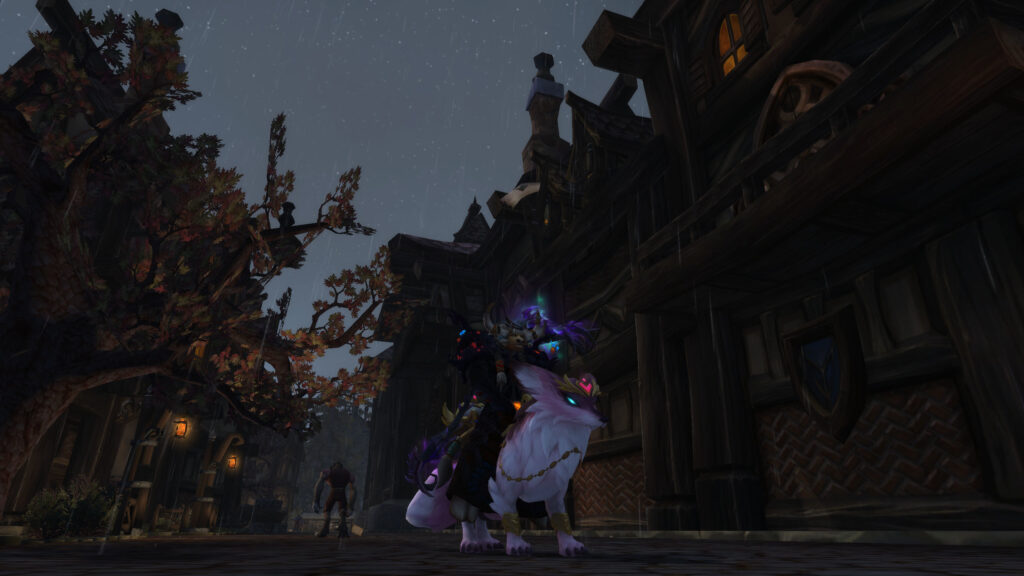
Weekly goals become opportunities for alliance synergy.
Core Structures Defining Guild Alliance Functionality
Several systems support the rise of large-scale progression networks:
| Structure | Description | Community Benefit |
|---|---|---|
| Shared Communication Hubs | Discord channels, planning boards, progression logs | Improves coordination and transparency |
| Alliance Raid Rosters | Multi-guild teams pushing high-end content | Stabilizes attendance and performance |
| Collective Mythic+ Teams | Structured groups with dedicated seasonal goals | Promotes competitive growth |
| Cross-Guild Resource Sharing | Materials, crafted items, profession services | Strengthens progression efficiency |
| Alliance Social Events | Community gatherings, contests, and open raids | Builds long-term cohesion |
These interconnected systems form the backbone of modern guild networking.
Progression Culture Shifts Toward Collaboration
With alliances bridging guild borders, players experience more stability, more opportunities, and a wider network of teammates. Competitive progression thrives not through isolation, but through shared goals and cooperative spirit. The social fabric of the game grows richer and more resilient.
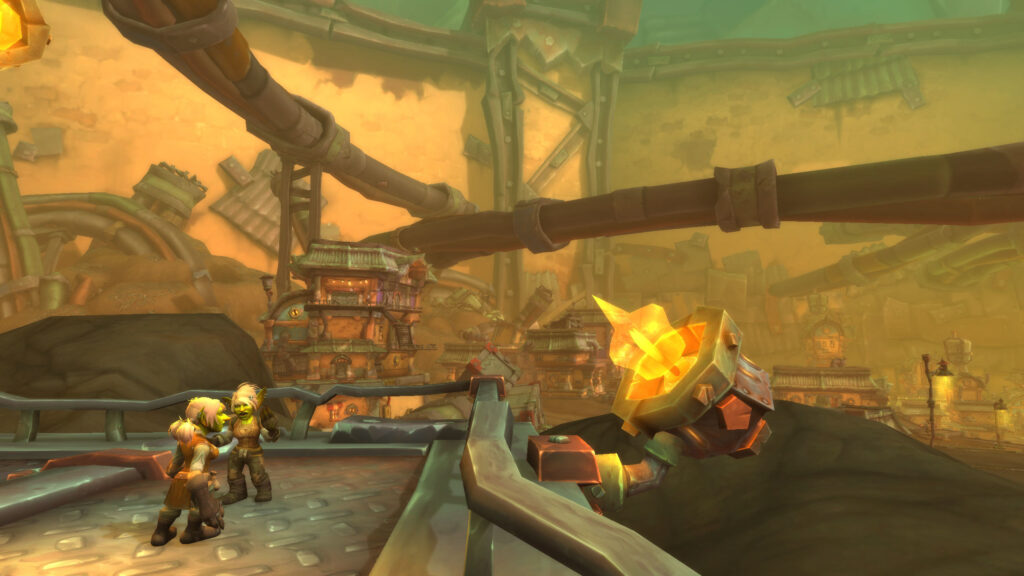
Guild identity expands beyond the tag—becoming part of a greater collective.
Conclusion
The rise of guild alliances marks a fundamental shift in how groups tackle endgame challenges. Through shared raid teams, Mythic+ networks, and coordinated weekly objectives, alliances create thriving ecosystems of cooperation and progression.
In this new era, success is built not by a single guild—but by the strength of many working together.