
One genre, many raid cultures
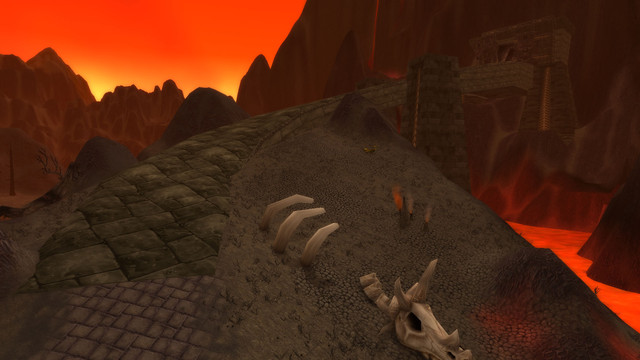
Group content is a pillar of the MMO genre, yet every game develops its own habits around it. Players who move between titles quickly notice that the same word, raid, can mean a casual evening in one place and a strict commitment in another. This article compares general etiquette and preparation across the genre and then looks at one current example, the Venomous Abyss, the eight-boss raid of patch 12.1 in World of Warcraft: Midnight. The goal is to help players carry good habits from game to game.
The shared foundation: roles
Most MMOs with group content rely on a version of the same trio: someone who holds attention, someone who restores health and several who deal damage. Names and mechanics differ, but the social contract is similar. Know your job, state when you cannot do it, and respect the other roles. In the Venomous Abyss, as in comparable raids elsewhere, the group works best when everyone understands what they are responsible for before the pull. Experienced players moving between games find this the easiest skill to transfer.
Preparation norms across the genre
Preparation culture varies, but common elements appear almost everywhere: reading the encounter notes, arriving with supplies, and testing the interface. Some communities treat this as mandatory, while others tolerate surprises. The Venomous Abyss sits in the more prepared camp. It requires level 90 on the Coiled Isle, sets an item level floor of 273 for Raid Finder, and offers five modes. Knowing the entry requirements before the evening is a courtesy to your group and the simplest form of preparation anywhere.
How the Venomous Abyss is structured
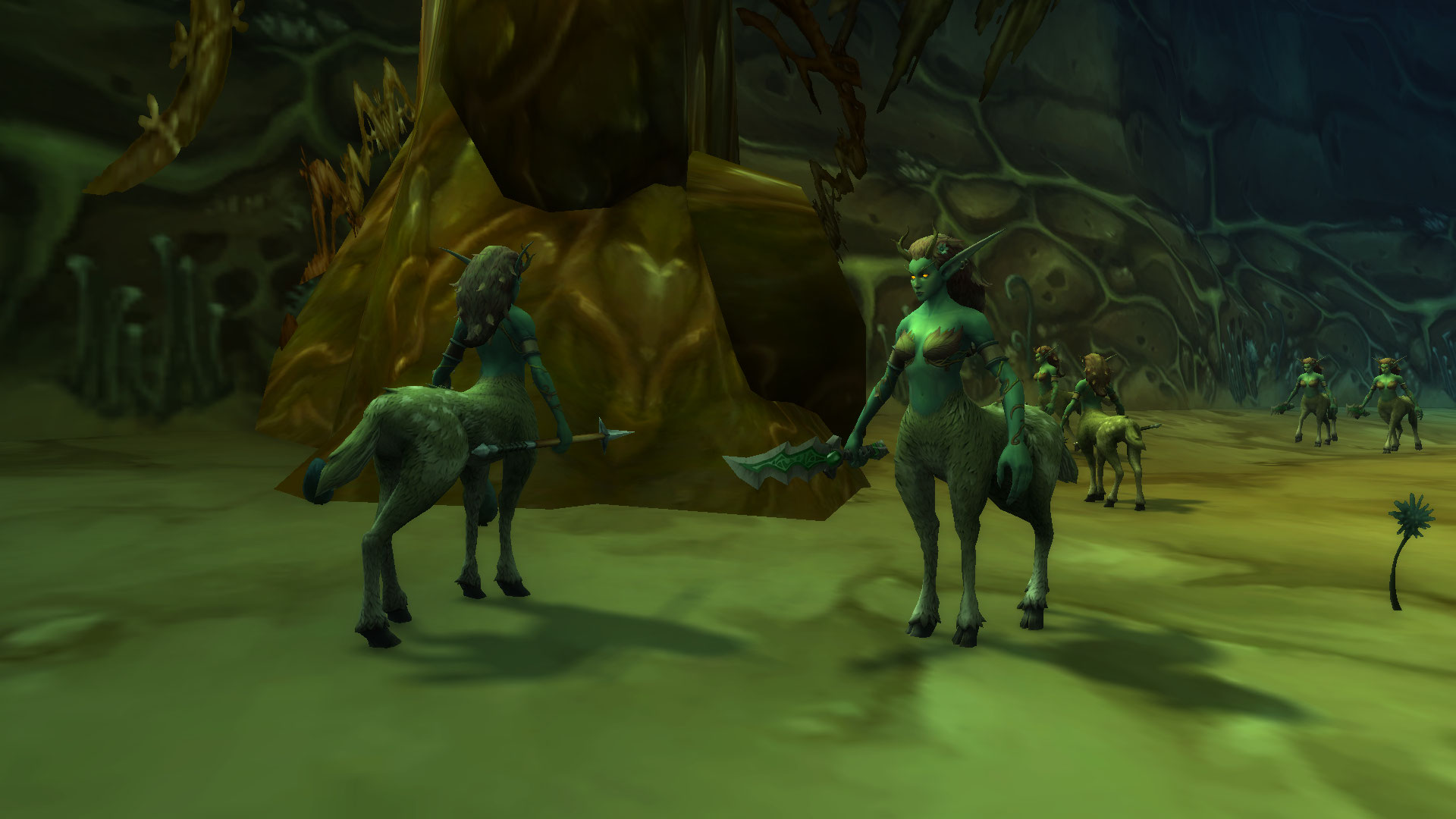
Raids differ in layout. Some games present a single long dungeon, others a series of independent encounters. The Venomous Abyss has four wings of two bosses each: the Soulcoilers, the Essence of Venom, the Serpent Warren and the Tomb of Ula’tek, ending with the boss Ula’tek. This division suits groups with limited time, since a wing makes a clean unit for an evening. Players used to all-or-nothing formats often find this modular approach a relief, and it changes how leaders plan their schedules.
Difficulty ladders compared
Many MMOs offer several difficulty tiers, though the names and the purpose differ. The Venomous Abyss lists Story Mode, Raid Finder, Normal, Heroic and Mythic. Normal, Heroic and Mythic opened on August 18, or August 19 in Europe, while Story Mode and Raid Finder wings arrived later on a weekly schedule. The genre-wide lesson is to choose a tier by your goal and your group, not by pride. Players who match tier to readiness tend to enjoy the content longer than those who chase the top without preparation.
Loot rules and fairness
Loot rules generate more arguments than any boss. Across games you will find personal rewards, rolling systems, councils and fixed priorities. None is universally best, but all work only when stated before the first pull and applied evenly. When joining a pickup group in any MMO, ask about the rule rather than assuming. A leader who explains it in a sentence is usually organised in other ways too. Disputes after the fact are almost always the result of silence at the start.
Guild culture and its variations
Guilds, free companies, corporations and clans all fill the same need: a stable group of familiar people. Healthy ones share a few traits: transparent expectations, fair rotation of roles, and a tone that welcomes questions. Unhealthy ones rely on favouritism and vague promises. If you are evaluating a community in any game, attend a session, watch how mistakes are handled, and note whether new members are included. Culture is visible within an hour, and it matters more than any ranking.
Communication etiquette that travels
Good call-outs are short, clear and calm. Avoid talking over others, keep voice channels free of unrelated chatter during attempts, and save long discussion for breaks. Admit your own errors quickly, because it sets a tone that others copy. These habits apply in every game and are easy to practise. In the Venomous Abyss, where a wing may be attempted several times in an evening, steady communication prevents small errors from turning into group frustration.
Paid help as an MMO-wide practice
Selling assistance with group content is not unique to one game; it appears in many MMOs. A Venomous Abyss raid boost is a paid arrangement in which other players help clear content. Publishers commonly restrict third-party services and shared accounts, so penalties are possible, and no provider can honestly guarantee results. Read the current terms of the game, compare providers, protect your login details, keep records of any agreement, and try guild or open groups first. The risks and the advice are essentially the same wherever you play.
Weighing the practice honestly
Players choose outside help for reasons ranging from limited time to difficulty in finding groups. Those reasons deserve respect, and so does the possibility that the choice has costs. Some communities frown on it, others ignore it, and publishers set the formal rules. Consider how you would feel if the account were restricted, and whether the same goal could be reached through a friendly guild instead. Thinking it through in advance is better than regretting it afterwards, and no pressure should ever push you into a hasty decision.
Etiquette checklist for any raid
A short list travels well. Arrive early with supplies ready. Know your role and the plan. Speak briefly and kindly. Accept the loot rule. Do not blame in public. Stay for the whole session or tell the leader in advance. Thank the group at the end. None of these steps requires special skill, and together they make you a player others want to invite again. They apply to the Venomous Abyss as much as to any other raid in the genre.
Onboarding newcomers across games
New players are the lifeblood of any genre, and how a community treats them says much about its health. Good groups explain terms, share a short written guide and pair newcomers with patient veterans. Poor ones assume knowledge and punish questions. If you lead a group in the Venomous Abyss or elsewhere, a two-minute briefing at the start of the night costs little and builds goodwill. Newcomers who feel welcome tend to become the reliable members of tomorrow.
Time commitment and expectations
Games differ in how much time they expect from raiders. Some demand fixed weekly slots for months, while others fit short, flexible sessions. The wing structure of the Venomous Abyss favours the second style, because each pair of bosses forms a natural stopping point. Whatever the culture, state your availability honestly. Overpromising leads to disappointment, and clear limits allow leaders to plan fairly. Respecting time is the most universal courtesy in the genre.
It also helps to keep real life in perspective. A raid is entertainment, and a group that remembers this tends to handle setbacks gracefully, which keeps the community stable for the long run.
What the comparison teaches
Looking across games shows that the best raid experiences depend less on the specific encounters than on the people and the habits around them. The Venomous Abyss, with its clear structure of wings, modes and requirements, gives a good practice ground for those habits. Bring preparation, courtesy and honest planning, and you will find that your skills move with you from one MMO to the next, long after this particular raid has faded into the history of the game.