Few raid bosses leave as strong an emotional impression as Deathbringer Saurfang. For Horde players in particular, the encounter and the scene that follows carry themes of honor, sacrifice and the cost of war. This guide explores why the fight resonates, how its themes appear in the design, what players can do to get more from the experience, how the emotion affects engagement and what difficulties may arise.
What emotional elements make the fight special?
Honor, tragedy and shared heroism come together around a noble warrior.
The encounter works as more than a boss fight; it serves as a story peak for the Horde in Northrend. Varok Saurfang stands for the values many Horde players cherish, and his fate shows how heavy the toll of war can be. The table highlights the main emotional pieces.
| Element | Character | Effect on players | Story value |
|---|---|---|---|
| Honor | Varok Saurfang | A connection to Horde values | Sets the tone of the struggle |
| Tragedy | Varok Saurfang | Investment in his fate | Shows the cost of war |
| Heroism | Horde players | Empowerment through play | Encourages unity |
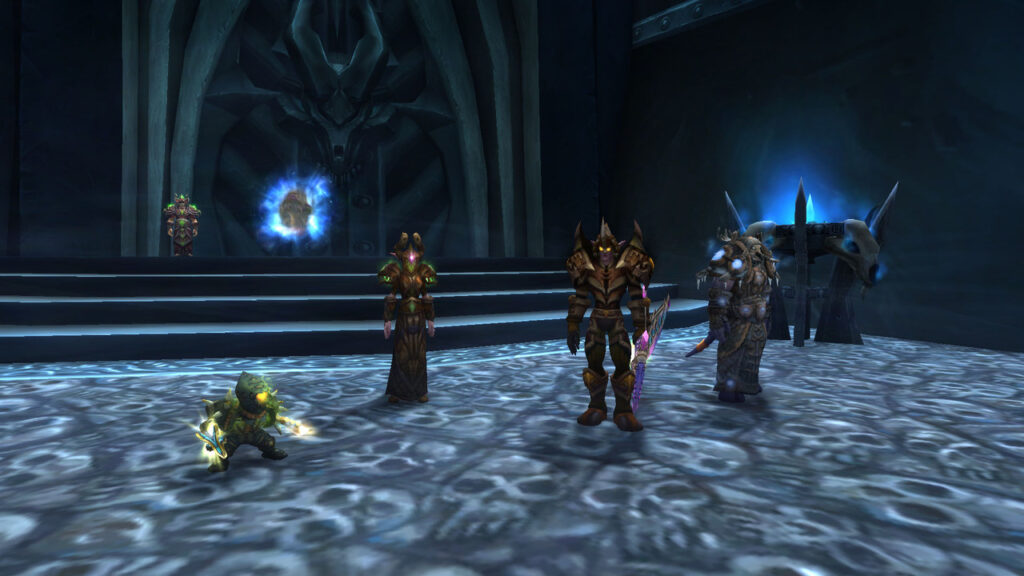
How does the fight express sacrifice and honor?
Through a story of loss and a determination to stand firm against overwhelming odds.
As the raid advances, players feel the weight of what the Horde has paid. Saurfang’s willingness to face the Lich King despite the odds appeals to anyone who values loyalty and courage. The encounter lifts the raid above a simple mechanical test and ties it to the larger story of sacrifice that defines the expansion.
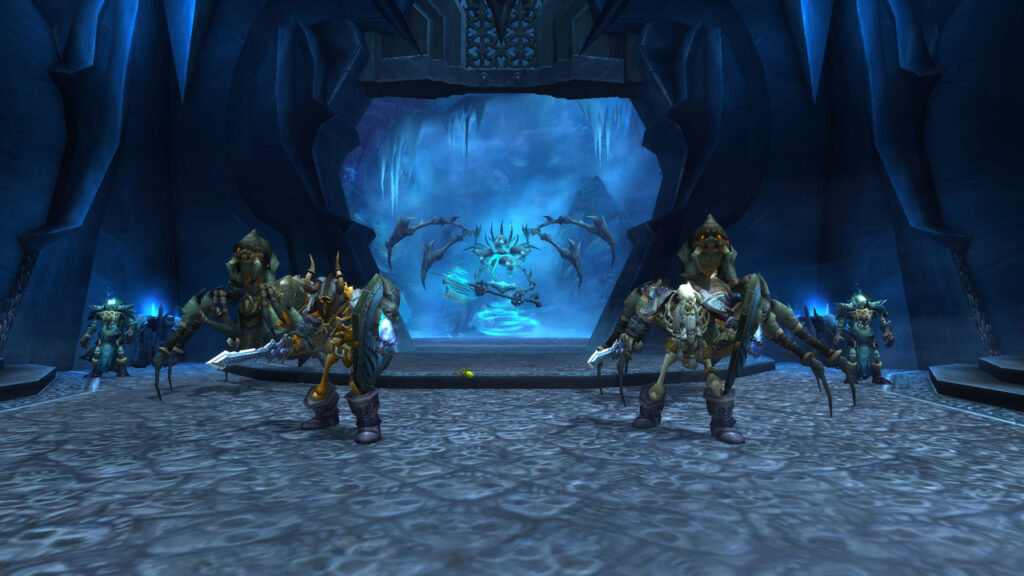
The design supports this feeling. Waves of enemies and the need to manage health and resources echo the character’s own struggle. Teamwork is required, which mirrors the unity the Horde needs to survive. The result is that each victory feels earned.
When the final moments arrive, players are no longer merely collecting loot. They are witnesses to a farewell that stays with them long after the raid ends.
How can players deepen the experience?
Learn the mechanics, read the lore and coordinate with the team.
- Study the abilities so that the fight feels smooth.
- Read the quest text and character backgrounds to build a connection.
- Coordinate roles with the raid.
- Keep the themes of honor and sacrifice in mind as the story unfolds.
Players who prepare in this way find the encounter both more successful and more memorable.
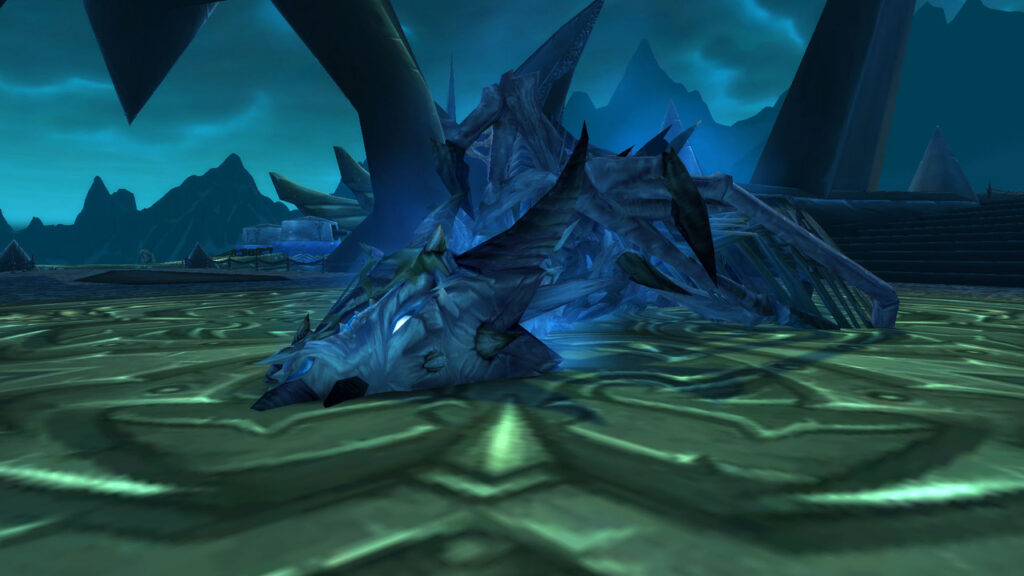
Why does emotional storytelling affect engagement?
It builds attachment to the characters and encourages players to stay with the story.
Moments like this create lasting memories, and people who care about a character are more likely to continue playing to see what happens next. They also talk about the experience on forums and social media, which builds community and keeps the story alive.
What difficulties might players face?
Mechanical learning curves, coordination issues and the strain of high emotional stakes.
Newer raiders may struggle with the timing the fight requires, and without clear communication the group can fall apart. Repeated attempts can also dull the emotional effect. A positive team attitude and realistic expectations help keep the experience enjoyable.
What does it suggest for future games?
Narrative depth and character development are worth investing in.
The success of this fight shows that players respond to personal stories. Designers can learn from it by weaving narrative into gameplay in ways that let players feel emotional highs and lows through their own actions. The legacy of Saurfang and the Horde’s struggle shows how effective that approach can be.