You’ve journeyed with the Horde through the trials of Azeroth, witnessing the rise and fall of its leaders. From Garrosh’s rule tainted by war crimes to Sylvanas’ highly debated leadership, the saga of the Warchiefs is a narrative that’s shaped the course of the Horde. As we turn the page on Sylvanas’ reign, you might wonder: what’s next? Could it be a leadership that finally unites the Horde’s diverse races? Let’s dissect the past to speculate on the future, understanding how the actions of these Warchiefs could influence the direction of the Horde.
Key Takeaways
- Garrosh Hellscream’s aggressive rule sparked internal Horde conflicts, leading to his downfall and trial for war crimes.
- Sylvanas Windrunner assumed Warchief after Garrosh, shifting Horde’s military strategy to a more aggressive stance.
- Controversial decisions, including use of the Blight and burning of Teldrassil, marked Sylvanas’s reign, sparking internal and external conflicts.
- Sylvanas’s abrupt abandonment of the Horde left a leadership void and prompted reevaluation of Horde’s leadership structures.
- The saga of Garrosh to Sylvanas highlights the need for a more inclusive, council-based leadership model for the Horde’s future.
The Rise of Garrosh Hellscream
Garrosh Hellscream’s ascension to power marks a turning point in the Horde’s history, a rise you’d find both thrilling and tumultuous. As a strong and ruthless military leader, Garrosh reshaped the Horde, asserting his authority over the racial leaders and capital cities. His tactics were aggressive, his ideology radical, but his charisma was undeniable. You’d see him as a supreme leader, firm in his convictions and unyielding in his pursuit of Horde supremacy.
Yet, it’s important to remember that Garrosh’s reign was not without its controversies. His heavy-handed leadership created tensions among the racial leaders, leading to fractures within the Horde. But for a time, he was the face of the Horde, the embodiment of its strength and determination.
The current Warchief, Sylvanas, offers a stark contrast to Garrosh. Her leadership style is more calculated, more diplomatic, yet no less strong. But she too has faced her fair share of challenges and controversies, proving that the role of Warchief is a test of strength, character, and cunning. As you explore deeper into the Horde’s history, you’ll find that each Warchief brings their own flavor to the role, shaping the Horde’s destiny with their unique leadership styles.
The Downfall of Warchief Garrosh
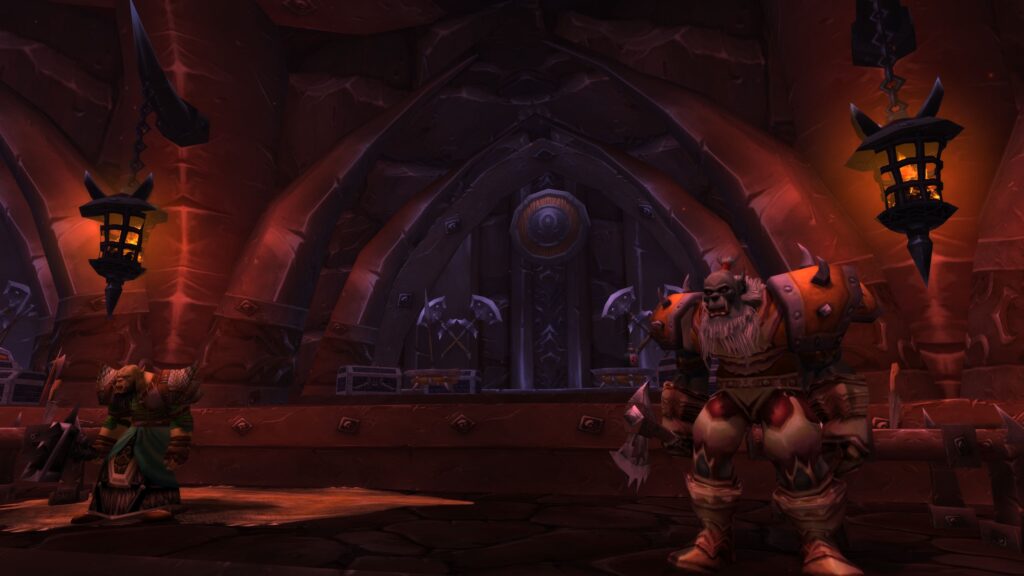
While you may admire his strength and determination, it’s impossible to ignore the series of events leading to the downfall of Warchief Garrosh. His reign as Warchief was marked by an increasingly authoritarian rule, and his aggressive tactics didn’t sit well with many. This was especially true after the death of Cairne Bloodhoof, the respected Tauren chieftain. Garrosh’s decisions, often brutal and controversial, led to tension and division within the Horde.
The Warchief’s downfall was particularly dramatic. Garrosh, consumed by his own power, attempted to harness the dark energy of an ancient artifact, the Heart of Y’Shaarj. This reckless act led to a rebellion within the Horde, spearheaded by Vol’jin and Sylvanas Windrunner. This civil war culminated in a trial for Garrosh, accused of war crimes.
Garrosh’s downfall serves as a stark reminder that power, without wisdom and respect for others, can lead to ruin. It paved the way for new leadership and set the stage for future conflicts within the Horde, including the rise of Sylvanas Windrunner. Remember, however, that’s a tale for another time.
Sylvanas Windrunner’s Ascendancy
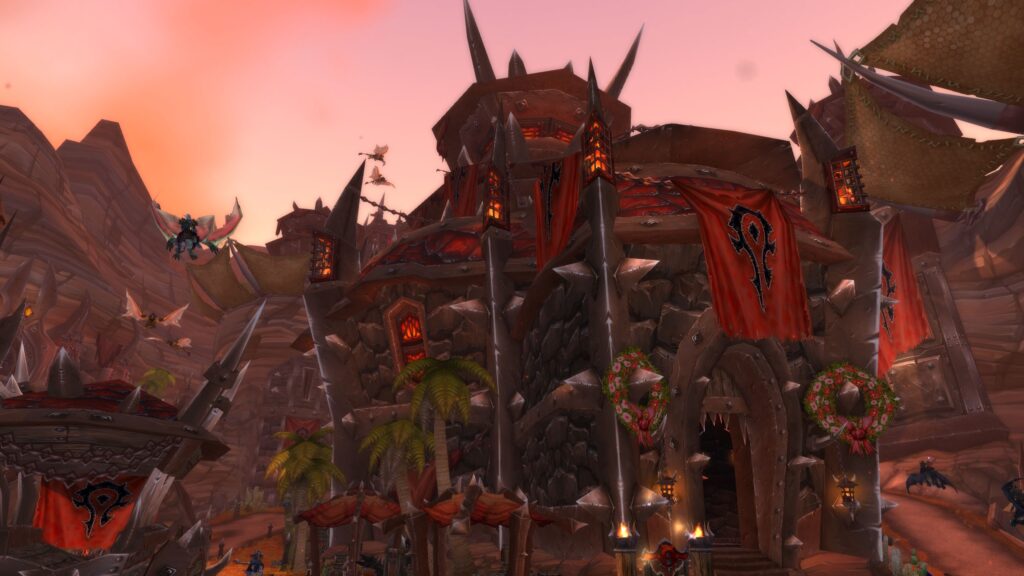
In the wake of Garrosh’s downfall, you’d witness a power shift within the Horde, marking the ascent of the enigmatic Sylvanas Windrunner. Once the Ranger-General of Silvermoon, Sylvanas was transformed into a banshee by Arthas Menethil, the Lich King. As the leader of the Forsaken, she’d prove herself a crafty and ruthless commander, earning the respect and fear of her allies and enemies alike.
When Vol’jin, Garrosh’s successor, was fatally wounded during the Legion’s invasion, he named Sylvanas as the next Warchief. With Vol’jin’s dying breath, he’d tell you that the Loa spirits chose her. You’d see Sylvanas assume the mantle of leadership with a grim determination, vowing to protect the Horde from its numerous foes.
Under her rule, you’d find the Horde becoming more aggressive and decisive. She’d lead them through many battles and victories, her strategic mind and relentless will shaping the Horde’s destiny. Sylvanas Windrunner’s ascendancy as Warchief marks a pivotal chapter in the Horde’s history. Her leadership, while controversial, has undeniably left a significant impact on the Horde and the world of Azeroth.
Controversies Surrounding Sylvanas
Despite her victories, you can’t ignore the controversies that have shrouded Sylvanas’s rule as Warchief. Some of her decisions have polarized the Horde, causing internal strife and public outcry.
You may remember her use of the Blight at the Battle for Lordaeron, a move that even shocked her own allies. While it did halt the Alliance’s advance, it was a ruthless tactic that demonstrated her willingness to sacrifice her own troops. This act of chemical warfare was not only controversial but also a clear violation of the Horde’s honor code.
Then, there’s her burning of Teldrassil, an act of aggression that sparked the Fourth War. It wasn’t just a military strike; it was a massacre of innocents. While Sylvanas justified it as a strategic necessity, many saw it as a war crime, further tarnishing her image.
And who could forget her abandonment of the Horde in Battle for Azeroth? Her abrupt departure left the Horde leaderless, further deepening the divisions within its ranks.
In short, Sylvanas’s reign has been marked by controversy. Her actions have stirred debates about morality, leadership, and the very core values of the Horde.
Impact on Horde’s Future Leadership
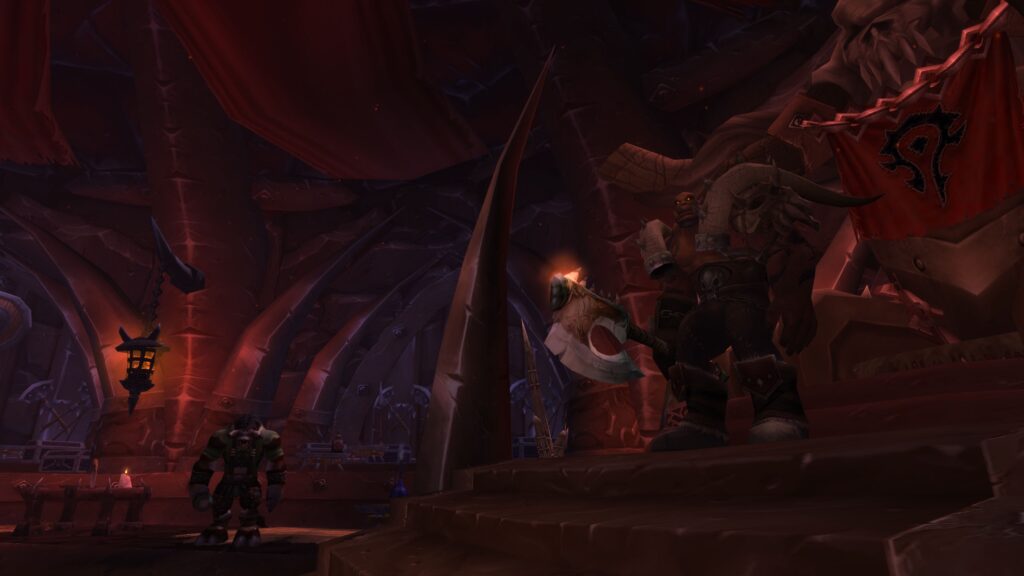
Given all these controversies, you might wonder how Sylvanas’s actions have shaped the Horde’s future leadership. She’s certainly left a lasting impact. The Horde’s leadership structure was forever changed by her autocratic rule, leading to a reevaluation of power structures within the Horde.
It’s clear that the Horde can’t afford another leader like Sylvanas, who prioritized personal ambitions over the welfare of the Horde. The damage she inflicted has heightened the need for a leader who values unity and equality. It’s all about finding a leader who’ll respect the diverse races within the Horde and guarantee their voices are heard.
The role of Warchief is too powerful for one person to hold unchecked. It’s likely the Horde will move towards a council-based leadership, distributing power among various leaders. This way, no single individual can plunge the Horde into chaos again. This shift also promotes dialogue and negotiation, reducing the risk of internal conflicts.
Indeed, Sylvanas’s reign has taught the Horde a tough lesson. Now, they’re ready to rebuild, to transform their leadership for a more stable, inclusive future. So, while Sylvanas’s legacy is marked by controversy, it’s also a catalyst for change.
Frequently Asked Questions
What Is the Lineage and Heritage of the Horde Warchiefs?
You’re asking about the lineage of Horde Warchiefs. It’s a diverse heritage, spanning from Blackhand to Thrall, Garrosh, and finally Sylvanas. Each leader’s reign has shaped the Horde’s history in unique ways.
How Does the Role of a Warchief Differ From Other Leadership Positions in Wow?
As a warchief, you’re not just a leader, you’re the heart of the Horde. Unlike other positions, you don’t just make decisions, you embody the spirit, strength, and perseverance of your people.
Are There Any Significant Alliances or Rivalries Between Warchiefs and Other Wow Characters?
Yes, there’re significant alliances and rivalries among WoW characters. As a warchief, you’ll often ally with other Horde leaders, but also face off against rival factions, like the Alliance, or internal Horde power struggles.
How Have the Warchiefs Influenced the Hordes Battle Strategies and Warfare Tactics?
“Every battle’s a lesson. The warchiefs have greatly influenced Horde’s strategies, shaping their warfare tactics. Garrosh’s aggressive approach contrasted Sylvanas’ cunning subtlety, both leaving a strong imprint on the Horde’s battle etiquette.”
What Are Some Notable Achievements or Failures of Warchiefs Not Mentioned in This Saga?
You’re asking about notable achievements or failures of warchiefs outside the Garrosh-Sylvanas saga. Thrall’s leadership in forming the Horde and Vol’jin’s failure to prevent the Burning Legion’s return are key examples.
Home